Hosting a Mata Ki Chowki at home for the first time raises a lot of practical questions that nobody quite explains. How much space is needed? When does the team arrive? What do we arrange ourselves and what comes with them? This is a straightforward account of how a home chowki actually runs.
How much space you need
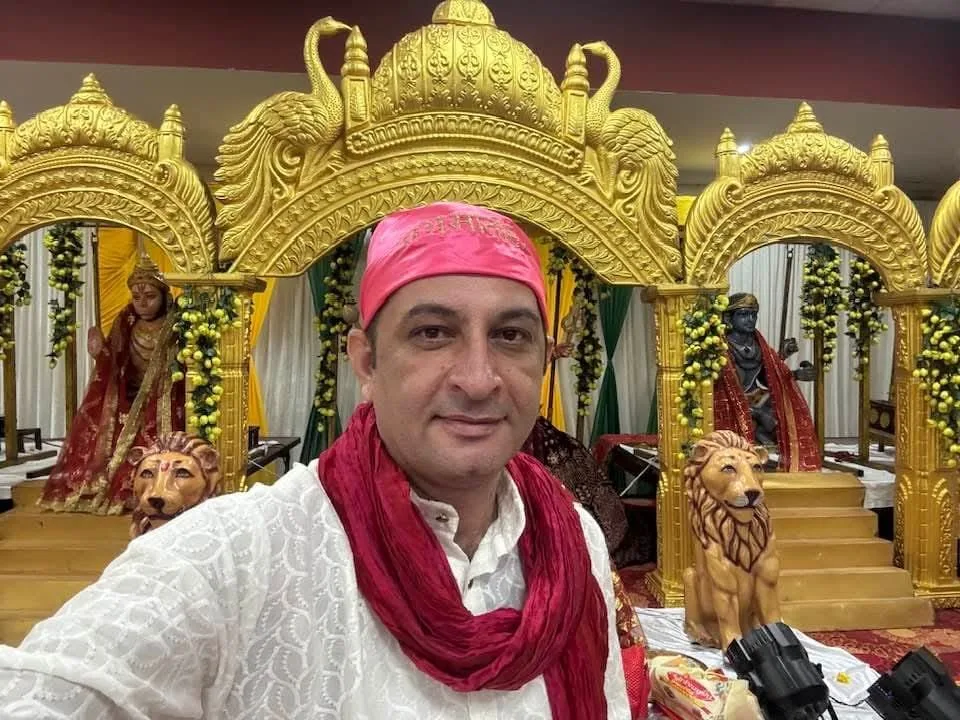
Less than most people assume. A standard drawing room in a three-bedroom flat is enough. We need a clear wall for the darbar — roughly six to eight feet wide — and floor seating for guests. Furniture usually moves to one side or into another room for the evening.
For gatherings above sixty or seventy people, a society community hall or a terrace works better, mainly for comfort rather than any technical reason.
Timings
Most home chowkis begin between 7 and 8 in the evening and run three to four hours, concluding with aarti and prasad. Overnight jagrans run until dawn, but at home the shorter format is far more common.
Our team arrives about two hours before the start. That covers darbar decoration, instrument setup and a sound check. The sound check is brief and deliberately quiet — we set levels for a room, not a hall.
What we bring
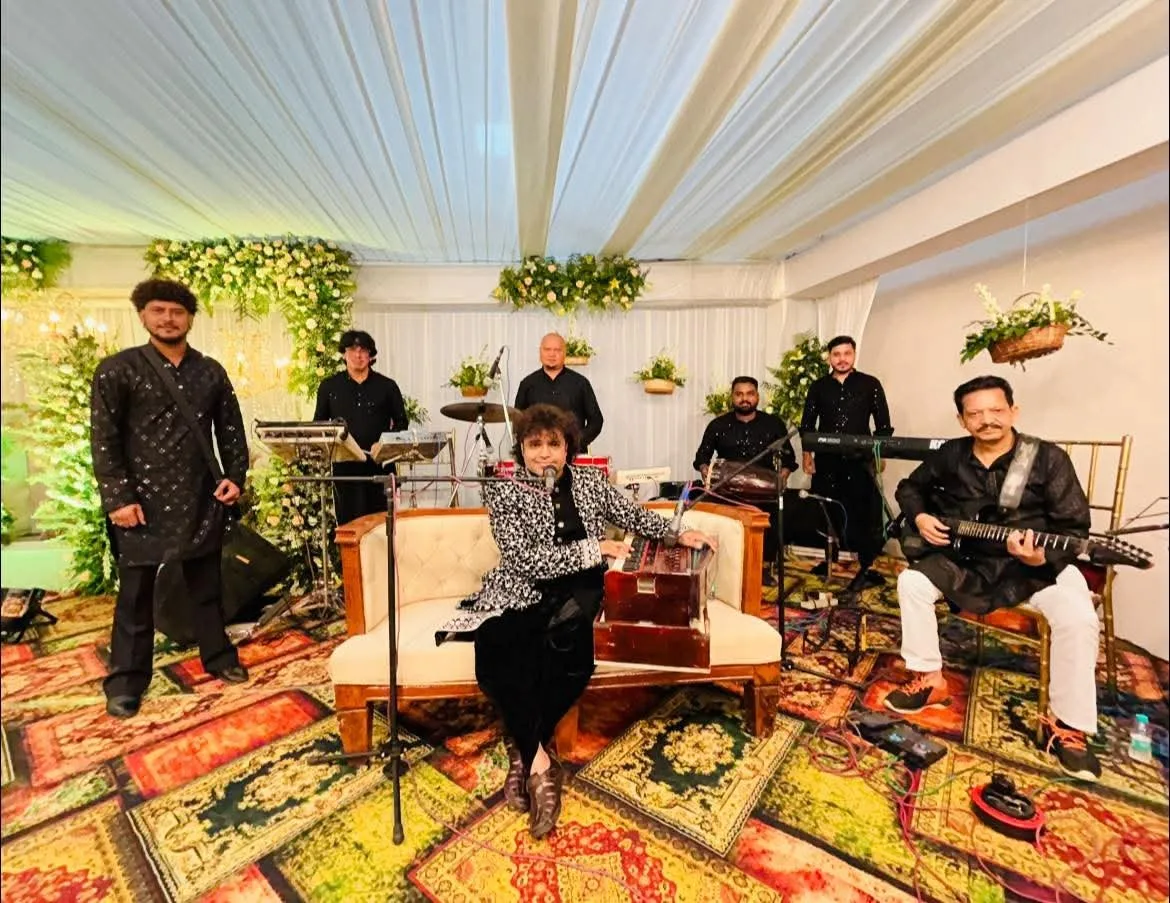
Darbar decoration including cloth, flowers and lighting; the Mata ki chowki arrangement itself; the bhajan mandali with harmonium, tabla, dholak and manjira; and a compact sound system suited to indoor use.
What your family arranges
The idol or picture of the deity if you have one you prefer to use, prasad and bhog, seating such as mattresses and sheets for guests, and drinking water for guests and artists. Some families also arrange a small havan; tell us in advance so the timing works with the programme.
The running order
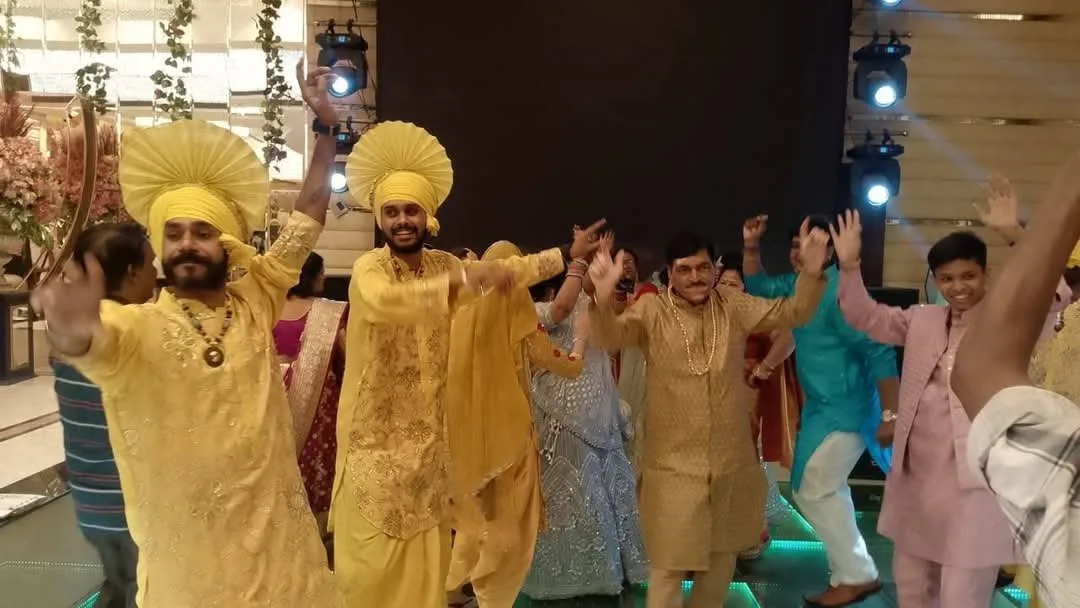
A typical evening opens with Ganesh vandana, moves through Mata ki bhent and popular bhajans, includes a jhanki if you have requested one, builds through the middle portion as more guests join in, and closes with aarti followed by prasad distribution.
We adapt to your family's traditions. If there is a particular bhajan your grandmother always requests, or a specific order your family has followed for years, tell us beforehand and we will build the programme around it.
Being considerate to neighbours
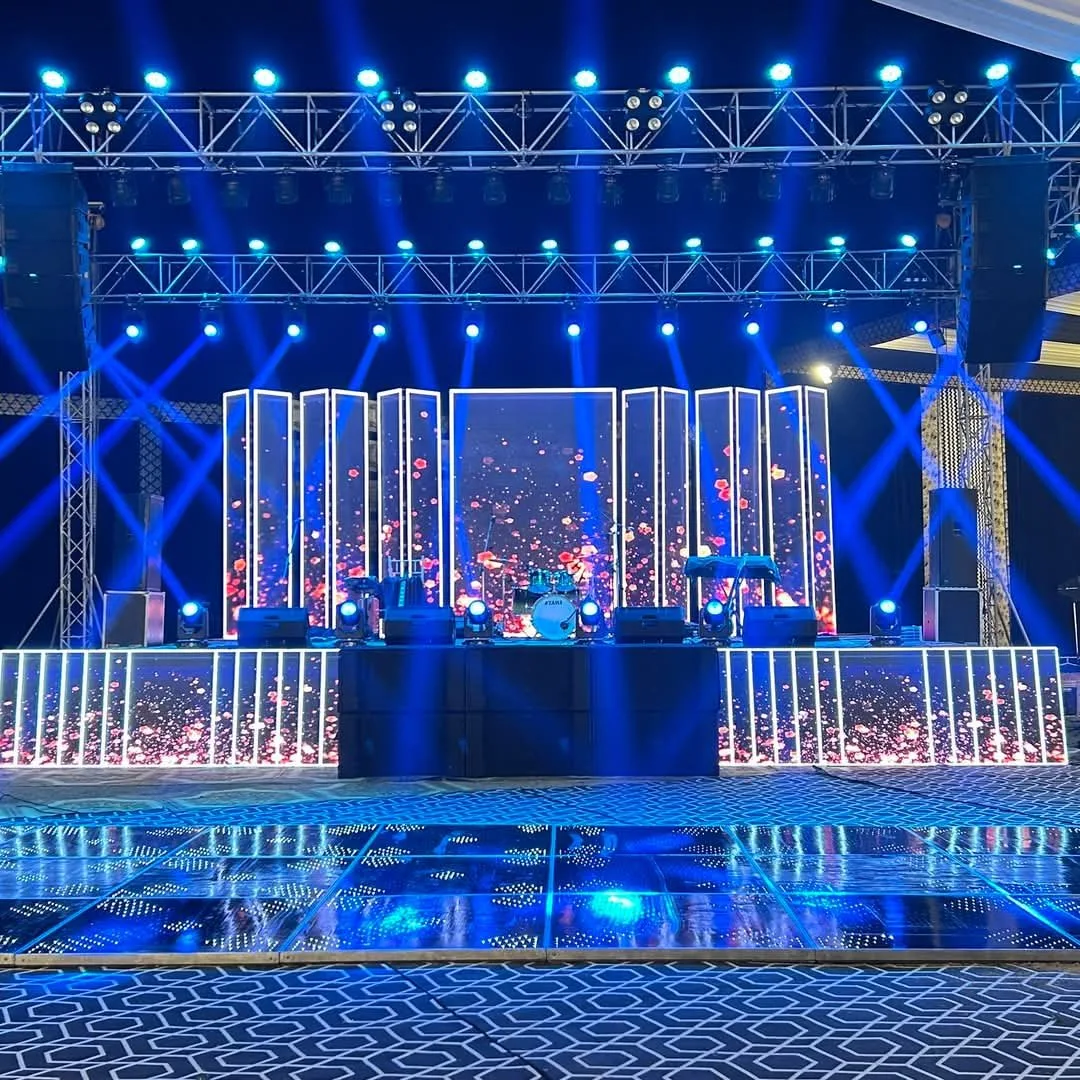
In flats and group housing this matters. We use a compact system tuned for a room rather than a hall, and we keep volume at a level that is clear inside without carrying through the building. In our experience, most complaints about home functions come from equipment that was simply too large for the space.
A practical suggestion
Tell your immediate neighbours a few days ahead — and invite them. It transforms the evening from a disturbance into a shared occasion, and in most buildings the neighbours end up joining in.